
How Does Defense Get Points In Fantasy Football (Full Breakdown)
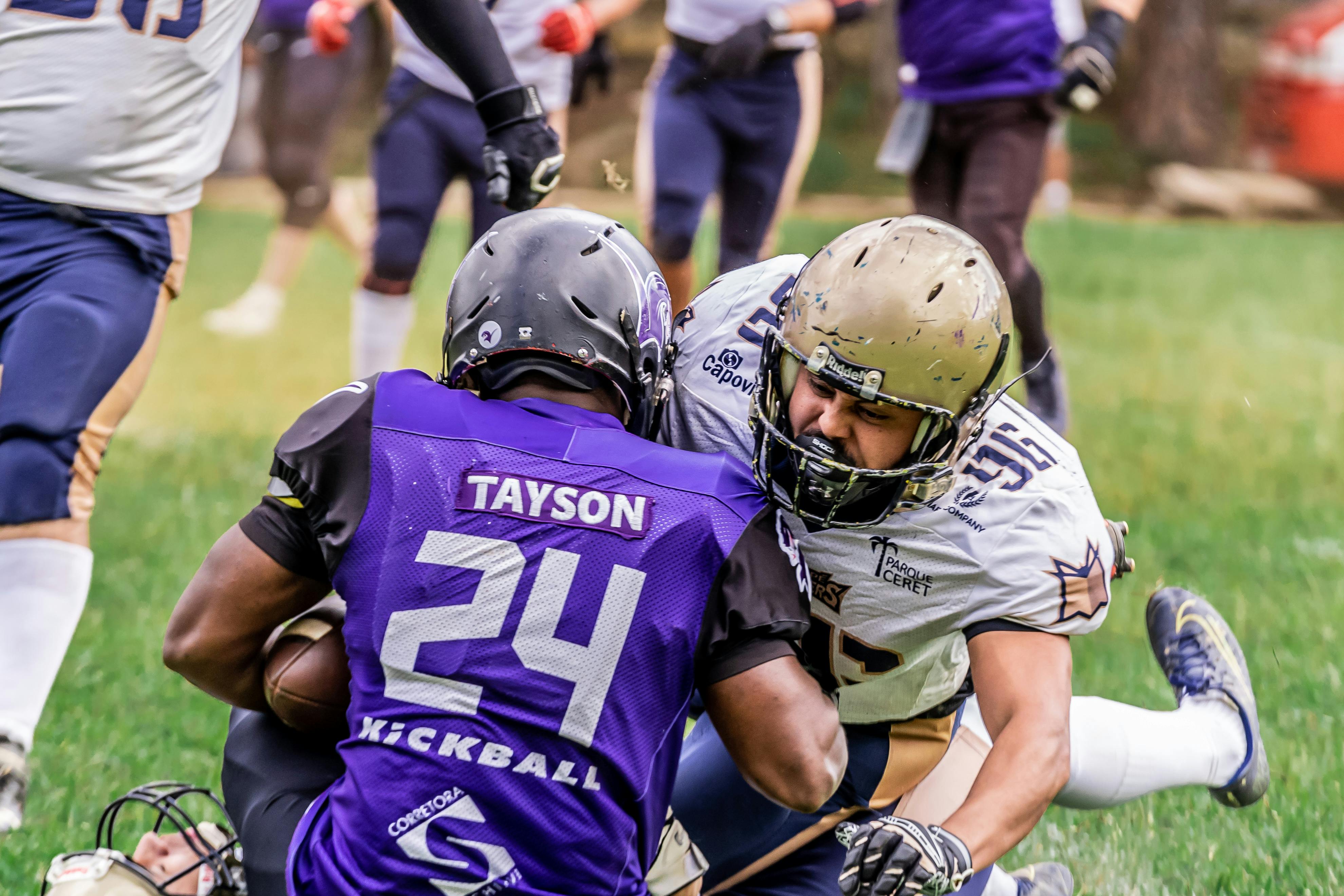
Defense scoring is the most misunderstood part of fantasy football. Unlike individual players, you roster an entire defensive unit, and their points come from a combination of big plays and how few points they allow the opposing offense to score.
Here's a complete breakdown of how fantasy defense scoring works.

Physical book · Printed to order
Fantasy Football Season Log Book
Plan your lineup and record results for all 18 weeks, with a draft recap, scoring reference, playoff bracket and season awards.
- A game plan and results page for all 18 weeks
- Draft recap, scoring reference and playoff bracket
- Coil-bound pages that open flat for writing
Physical coil-bound book · 51 pages · US Letter (8.5 × 11 in)
View the book on EtsyFree PDF
Get the Free Scoring Cheat Sheet
All scoring rules for PPR, Half-PPR, and Standard on one printable reference card. Plus ESPN vs Yahoo vs Sleeper platform differences.
Save or receive by email. Marketing is optional.
How Defense Points Are Calculated
Fantasy defenses (also called DST, or Defense/Special Teams) earn points from two main sources: big defensive plays and points allowed tiers. The points allowed component is what makes DST scoring unique: your defense gets more fantasy points the fewer real points the opposing team scores.
| Stat | Points Awarded |
|---|---|
| Points Allowed (0, shutout) | +10 pts |
| Points Allowed (1–6) | +7 pts |
| Points Allowed (7–13) | +4 pts |
| Points Allowed (14–20) | +1 pt |
| Points Allowed (21–27) | 0 pts |
| Points Allowed (28–34) | -1 pt |
| Points Allowed (35+) | -4 pts |
| Sack | +1 pt |
| Interception | +2 pts |
| Fumble Recovery | +2 pts |
| Defensive / Special Teams TD | +6 pts |
| Safety | +2 pts |
| Blocked Kick or Punt | +2 pts |
Use our fantasy points calculator to calculate your defense's total score for any week.
Points Allowed: The Foundation of DST Scoring
The points allowed tier is the biggest factor in weekly DST performance. A defense that holds the opposing offense to 10 points earns 4 points from that tier alone, before a single sack or interception is counted.
This is why matchup matters so much for DST. A defense facing a struggling offense with a backup quarterback can realistically earn 7–10 points just from limiting scoring, even without any big plays. Conversely, a talented defense facing a high-powered offense might surrender 28+ points and actually lose fantasy points from the points-allowed penalty, no matter how many sacks they get.
Important note: Points allowed refers to points scored by the opposing offense, not all points in the game. If the opposing team scores a special teams touchdown or returns a kick for a score, this may or may not count against your DST depending on platform settings. Check your league rules.
Sacks
Each sack is worth 1 point in most leagues. A pass-rushing defense that generates 4 sacks in a game earns 4 points from sacks alone. Some leagues award fractional sacks (0.5 pts) when two players share credit for bringing down the QB.
Over a full season, elite pass-rush units average 2–3 sacks per game, which translates to significant fantasy value on top of the points-allowed component.
Interceptions
Interceptions are worth 2 points each in standard scoring. A pick that's returned for a touchdown earns the interception points (2 pts) plus the defensive TD points (6 pts), so a pick-six is worth 8 fantasy points from a single play.
This is why defenses facing turnover-prone quarterbacks are weekly streaming gold. A QB with a recent pattern of interceptions facing a ball-hawking secondary is one of the most reliable fantasy matchup advantages.
Fumble Recoveries
A recovered fumble earns 2 points. Like interceptions, a fumble returned for a touchdown earns 2 + 6 = 8 points. Forced fumbles (without recovery) earn 0 points in most standard leagues.
Defensive and Special Teams Touchdowns
Any defensive or special teams touchdown is worth 6 points, the same as an offensive TD. This includes:
- Pick-sixes (interception returned for TD)
- Fumble return touchdowns
- Blocked kick or punt returns for TD
- Safety (2 points, not 6)
A single defensive touchdown can completely change a DST's weekly score. A defense with 2 sacks, 1 interception (not returned for TD), and holding the offense to 17 points scores: 1 pt (points allowed) + 2 pts (sacks) + 2 pts (INT) = 5 pts. Add a fumble return TD and that jumps to 13 pts, a massive swing.
How DST Scoring Differs by Platform
| Category | ESPN | Yahoo | Sleeper | NFL.com |
|---|---|---|---|---|
| Shutout bonus | +10 | +10 | +10 | +10 |
| Points allowed 1–6 | +7 | +7 | +7 | +7 |
| Points allowed 7–13 | +4 | +4 | +4 | +4 |
| Points allowed 14–20 | +1 | +1 | +1 | +1 |
| Points allowed 28+ | -1 | 0 | -1 | -1 |
| Sack | +1 | +1 | +1 | +1 |
| Interception | +2 | +2 | +2 | +2 |
| Defensive TD | +6 | +6 | +6 | +6 |
Yahoo is typically the most forgiving on negative points for points allowed. ESPN and most other platforms will dock your DST points if they give up 28 or more points.
Strategy: How to Win With Your Defense
Stream your DST based on matchup, not brand loyalty. The best practice in fantasy football is to swap your DST each week based on who they're facing, not which team name sounds impressive. A mediocre defense facing the league's worst offense is often worth more than an elite defense facing a top-10 offense.
Target home favorites facing road offenses. Home defenses statistically outperform road defenses. When a top DST is hosting a struggling offense as a home favorite, that's a two-layer advantage.
Look for defenses facing backup QBs. Nothing inflates DST points faster than a turnover-prone backup quarterback. Interceptions, fumbles, and low opposing scores all spike in these matchups.
Don't hold a defense that just gave up 35 points. Past performance in DST has very little predictive value week-to-week. Drop underperforming defenses and stream based on this week's matchup.
Frequently Asked Questions
How many points does a fantasy defense score on average?
Most DSTs average 6–8 fantasy points per week in standard scoring. A great week (shutout or near-shutout with a turnover TD) can push 20+ points. A bad week against a high-scoring offense can result in 1–2 points or even negative points.
Do yards allowed affect fantasy defense scores?
In most standard league settings (ESPN, Yahoo defaults), total yards allowed do not directly affect your DST score. Only points allowed tiers and specific play events (sacks, turnovers, TDs, safeties) matter. Some custom leagues add a yards-allowed component, but this is non-standard.
What counts as points allowed for DST scoring?
Typically, only points scored by the opposing offense count against your DST. Defensive or special teams touchdowns scored by the opponent may or may not count depending on your platform. Most leagues use "net points", meaning if the opponent's offense scores 14 points but your DST scored a defensive TD, the net offensive points allowed is what's used.
Can a defense score negative points?
Yes. In most leagues, a DST that gives up 35 or more points will lose points. ESPN defaults to -4 for 35+ points allowed. A defense in a blowout can easily finish with 1–2 points or go negative, so matchup selection is critical.
Should I keep my DST on the bench during bye weeks?
No. Drop a DST on bye and pick up the best available DST for that week's matchup. Roster spots are too valuable to hold a defense that can't play.